

ROOF REPAIRS
Roof Repairs in Surrey, Middlesex and London
Leaks, slipped tiles, storm damage and failed flashing, traced properly and fixed once. We cover Surrey, Middlesex and London, and we will tell you if a repair is the wrong answer.
How a cracked tile reaches the rafters
Most roof repairs are small jobs that get expensive if they are left. A cracked tile lets water onto the felt, the felt rots, the batten goes soft and then the rafter follows. GB Roofing has been repairing roofs across Surrey and London for many years. Grant comes out, finds the actual cause and fixes it.
Slipped, cracked and missing tiles
This is the most common repair we do and usually the cheapest. A tile slips because the nail holding it has rusted, because the batten underneath has gone soft, or because somebody walked on it. One or two is nothing to worry about. A dozen scattered across the whole roof is telling you the fixings are at the end of their life.
We match replacement tiles to what is already up there wherever we can, including older clay and concrete patterns that are no longer made. A patch of bright new tiles in the middle of a weathered roof is worth avoiding, and it usually can be.
Storm damage, and what to do first
After a bad blow, stay on the ground. Look from the garden, and from an upstairs window across the road if you can get one. Photograph anything obvious before it is moved, because your insurer will want to see it.
Then ring us and describe what you can see. If water is coming into the house we get to you as quickly as we can, make the roof safe and sheet it up, and come back to do the permanent repair once the weather allows. Chasing a proper fix in horizontal rain helps nobody.
- Tiles or slates blown off, often along one exposed slope
- Ridge tiles lifted where the old mortar bedding has let go
- Lead flashing peeled back from a chimney or an abutment
- Guttering pulled away from the fascia, or a downpipe off the wall
- Cracked chimney flaunching, or a pot that has moved
- Felt torn at the eaves so water runs behind the guttering
FROM THE GROUND
What you can see from the garden, and what it usually turns out to be
Stand well back on a bright day, with binoculars if you have a pair, and the common faults read roughly like this. Do not go up on the roof to check.
The nail holding it has rusted through, or the batten underneath has gone soft. One or two is a straightforward repair. A dozen scattered across the whole roof is telling you the fixings are at the end of their life.
The mortar bedding has cracked and started letting go. Ridge tiles rock in the wind for a while before one finally comes off. Re-bedding with mechanical fixing as well as mortar is the answer, so the tile is held by more than cement.
The flashing has worked its way out of the mortar joint, or somebody used a sand and cement fillet instead of lead and it has cracked. Water is going into the timbers below every shower. It needs raking out and new lead chased in and wedged.
Water is coming out of the chimney rather than off it, usually through open joints or cracked flaunching at the top. The brickwork is the job here. Replacing tiles under the streak fixes nothing.
Where the water lands tells you very little, because it travels along the top of the felt or down the side of a rafter first. The place to look is inside the loft with the lights off on a wet day, when daylight shows through the covering in spots the stain never pointed at. Chalk the spot while you can still see it.
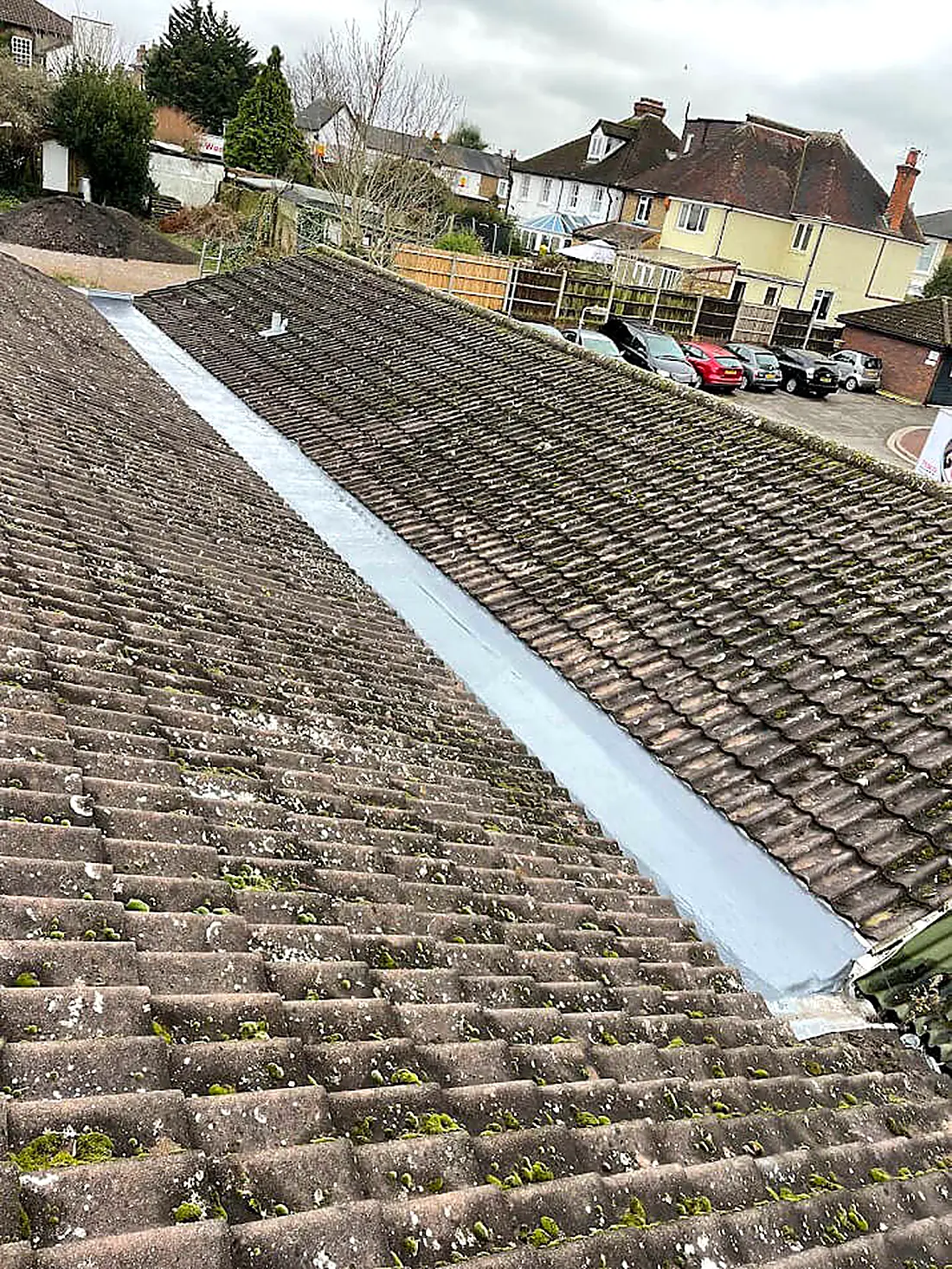
Moss and grit wash down both slopes and pack into the bottom of the valley until the water has nowhere to go, so it runs sideways under the tiles either side. Clearing it out is straightforward. A valley formed too narrow, or lead that has split along the centre, is a different job.
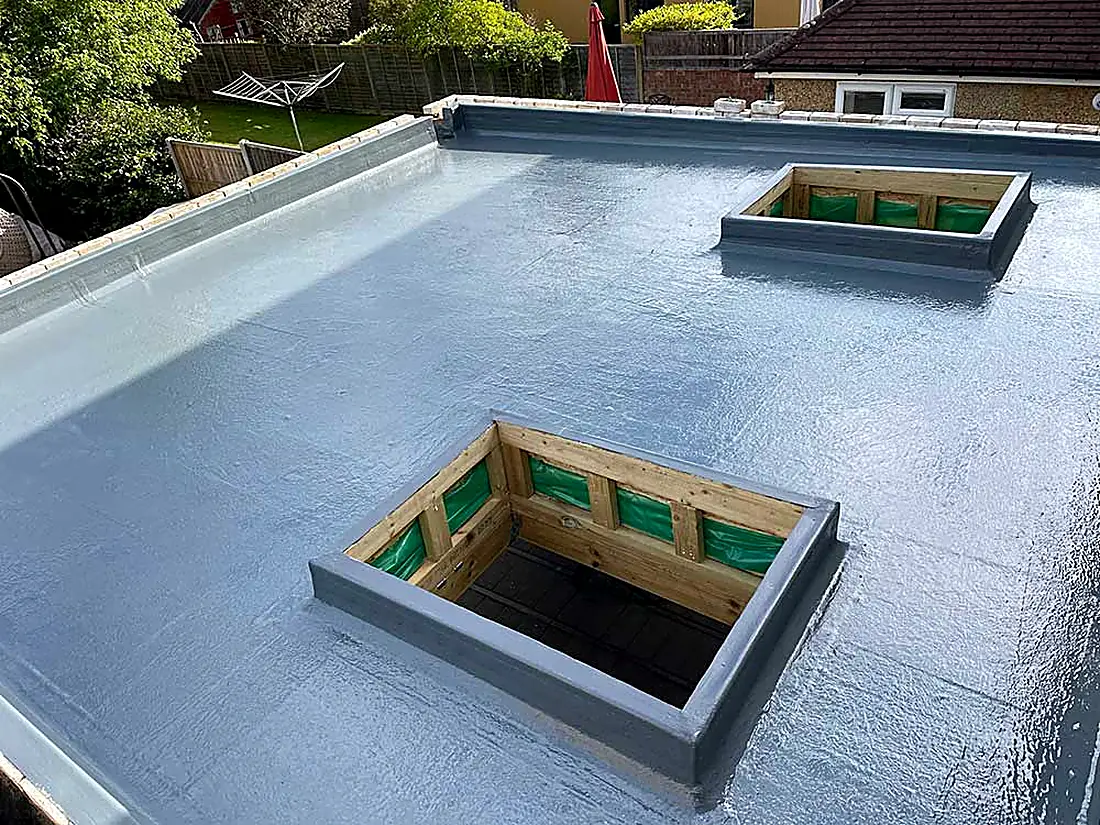
We come out and look first
Estimates are free, with no obligation, and there is no charge for a straight answer about your roof. Grant will tell you what he has found, what it needs and what the pitfalls might be before you commit to anything. If the roof only needs a repair, that is what we will quote for, and we will tell you plainly if you have been offered more work than the roof actually needs.
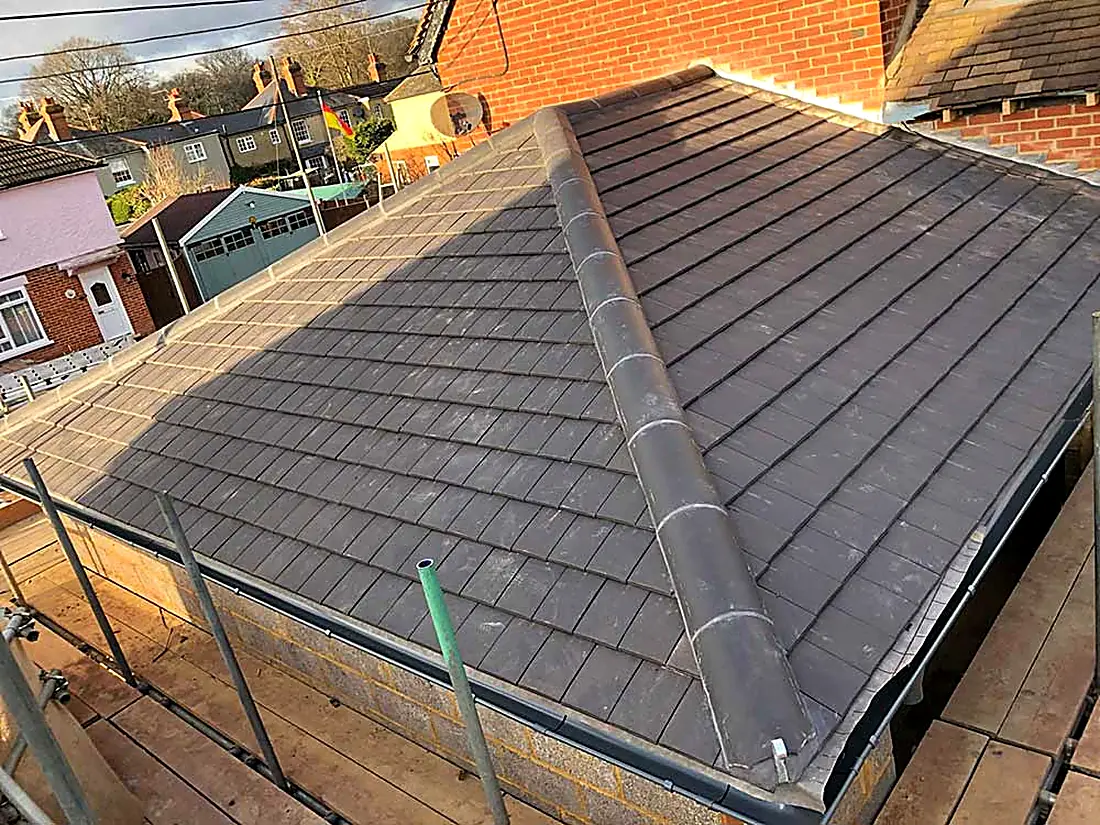
Quick when it actually matters
A leak in December is not a job that waits three weeks for a slot. We are local, we answer the phone between 8am and 6pm Monday to Friday, and where we can we get out the same day to make a roof safe. Call 01932 690 995 and tell us what you can see.
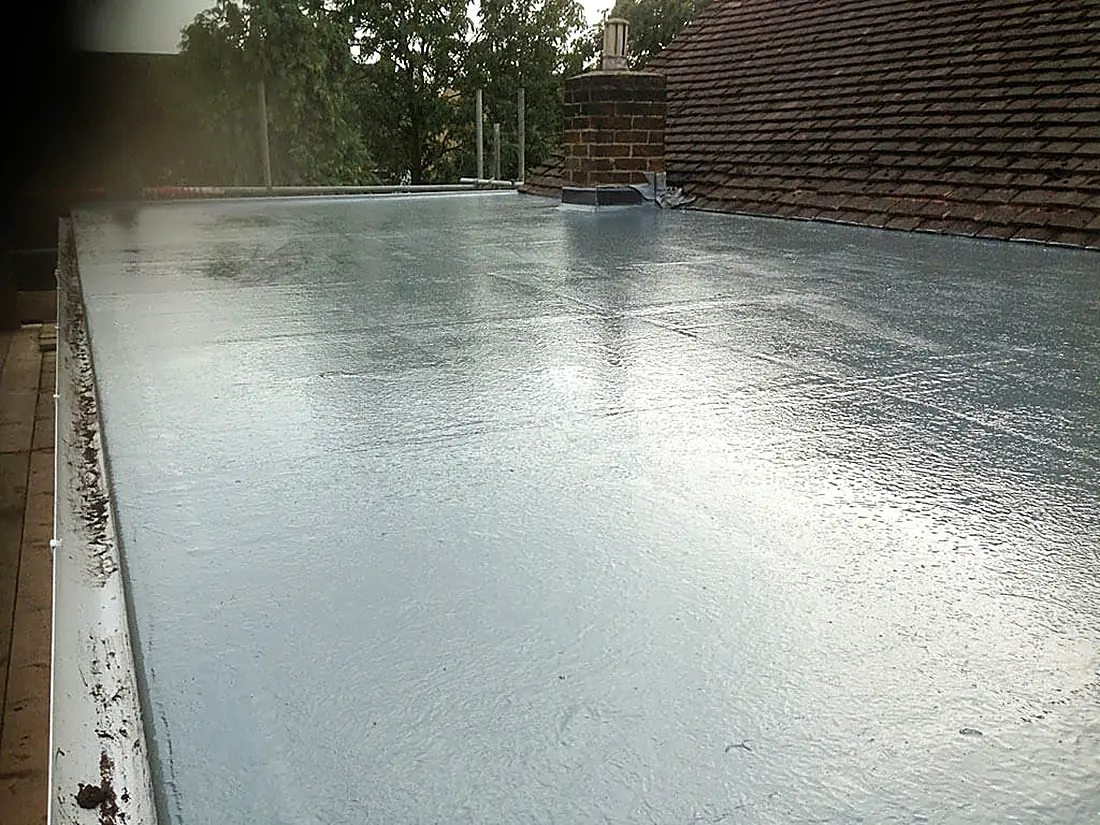
Guaranteed work, tidy site
Every new project is backed by a full guarantee. We work across Addlestone, Cobham, Weybridge, West Byfleet, Oxshott, Chertsey, Esher, Woking, Lightwater and Bagshot, and we clear up behind us at the end of every day. No rubbish left on the drive and no nails in the lawn.
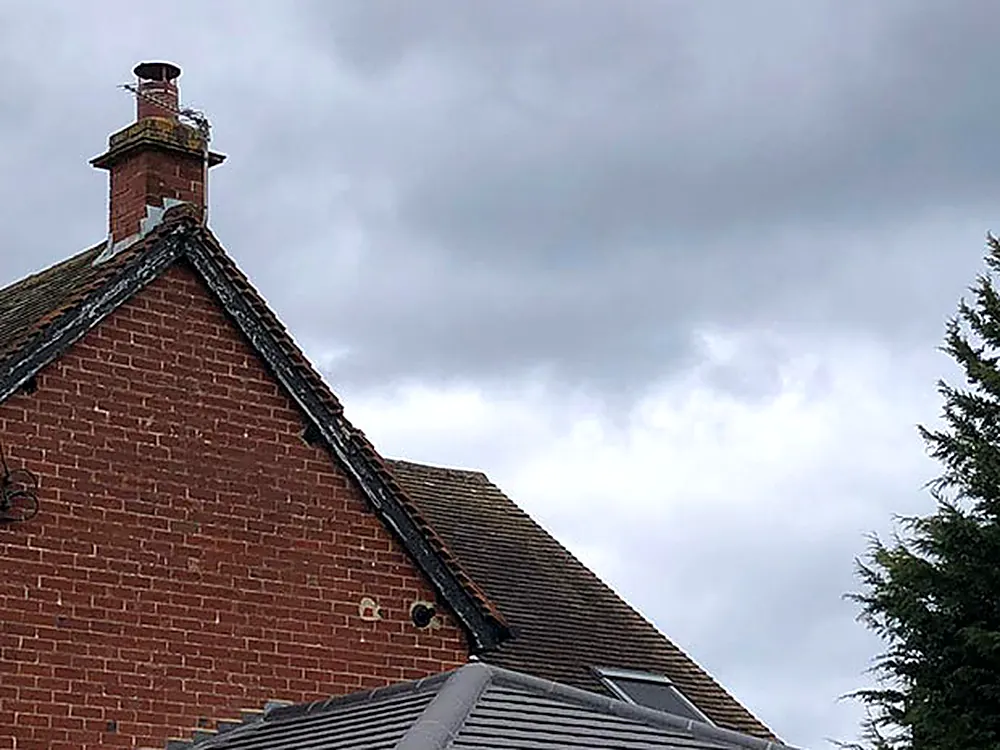
Finding a leak, which is rarely above the damp patch
Water does not fall straight down. It gets in through a gap in the covering, runs along the top of the felt, follows a rafter and drops off somewhere else entirely. The stain on your ceiling can be two or three metres from the actual hole.
So the first half of a leak repair is tracing it. That means getting into the loft in daylight, looking for light and for tide marks on the timbers, then working out where that lines up on the outside. Chimneys, valleys, abutments and the area around soil vent pipes are where they usually start. Guessing and spreading sealant about is how people end up paying twice.
Flashing, abutments and chimneys
Where a roof meets a wall or a chimney is where most long standing leaks begin. Lead flashing should be dressed into a chase in the brickwork and pointed in, not laid on the surface with a bead of mastic over the top. Mortar fillets crack and drop out. Cement flaunching around the pots goes the same way.
We install and repair lead flashings, valleys, gutters and lead roofs, and we carry out chimney repairs including repointing, rebuilding and removal, together with the roof work that goes with them. Done properly, a lead detail should outlast the tiles around it.
Valleys, ridges and hips
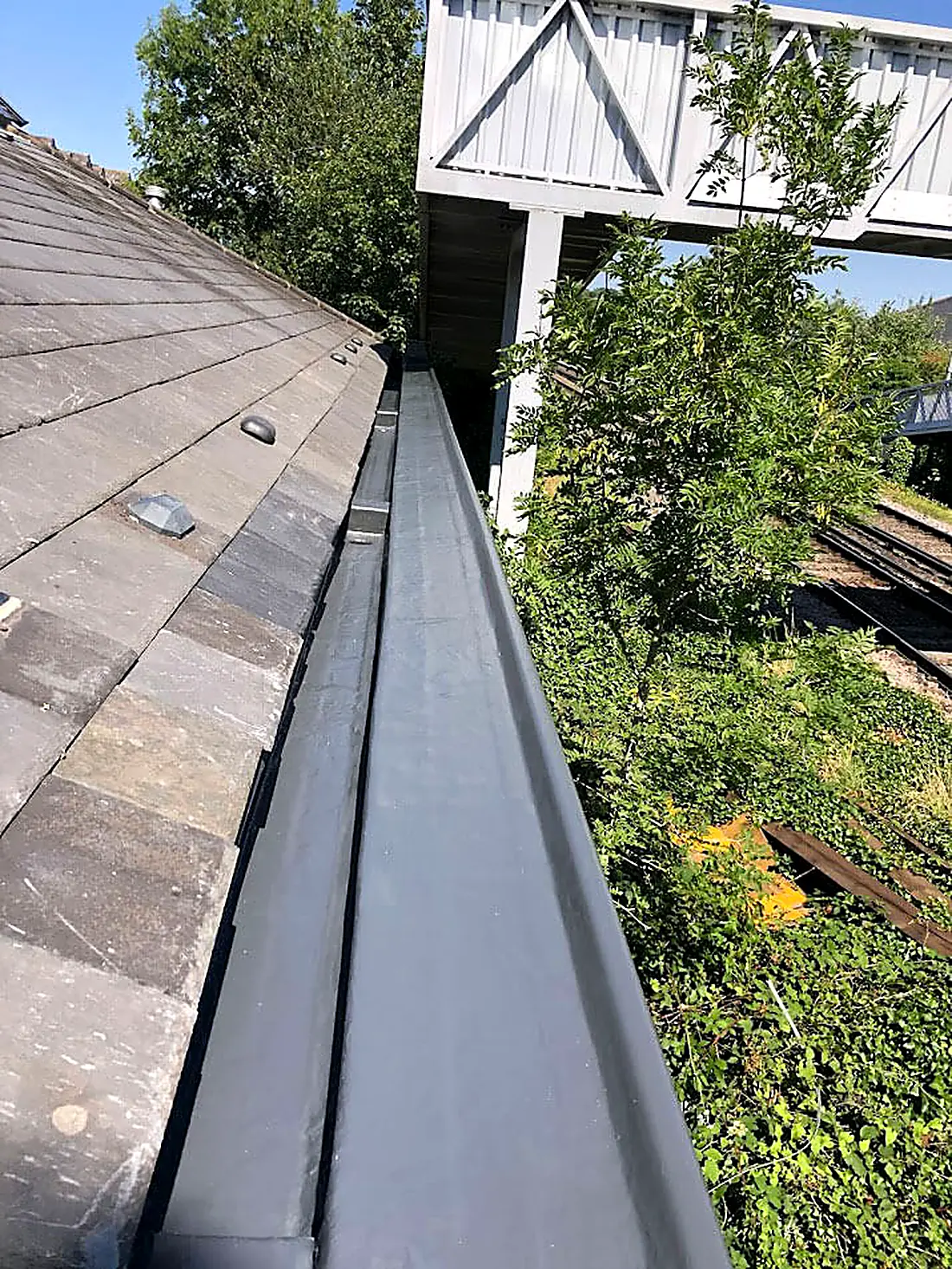
A valley takes the water off two slopes at once, so when one fails a lot of water arrives in a hurry. Old lead valleys split along the fold where the metal has been working for decades, and mortar valleys crack. We renew them in lead or in a modern valley trough, depending on the roof and the pitch.
Ridge and hip tiles are the other regular caller. Mortar bedding on an older roof cracks, the tiles start to rock in the wind, and eventually one comes off. Re-bedding today includes mechanical fixing as well as mortar, so the new ridge is held on by more than cement.
Moss, blocked guttering and general wear
Moss is not automatically a disaster, but it holds damp against the tiles and it breaks away and blocks guttering and valleys. Blasting it off with a pressure washer does more harm than good on an older roof. It strips the face off concrete tiles and drives water up under the laps.
Clearing by hand, cleaning out the gutters and the valleys, and dealing with whatever is keeping the roof wet is the sensible order of work. If a slope never sees the sun, the moss will come back, and that is worth knowing before anybody sells you a treatment.
Repair or replace, and how a repair is priced
A repair is the right answer while the rest of the roof is sound. Once the battens are crumbling and the felt has torn along every rafter, patching is money down the drain and a re-roof is the honest recommendation. We will say so rather than take the work.
Repairs are priced on access, time and materials, and access is the big one. A job that can be reached safely off a ladder costs a fraction of the same job in the middle of a slope that needs a tower or a scaffold. We work that out on site and give you a figure before we start, not afterwards.
A quick check you can do from the ground
Stand well back from the house, with binoculars if you have a pair. Look along the ridge for gaps in the mortar, across the slopes for tiles sitting out of line, and at the chimney for lead lifting away from the brickwork. Then go into the loft on a bright day and look up. Daylight where there should not be any is usually your answer. Do not go up on the roof yourself to check.
How we work
Four steps, and no surprises
The same run of events on every job, whether it is one tile or a whole roof.
Ring or email
Tell us what you have noticed. Grant can usually tell from a description whether it is a morning’s work or something bigger, and he will say so.
We come and look properly
We get up on the roof rather than guessing from the drive, and photograph anything you cannot see for yourself.
A written price
Set out clearly, so you can compare it fairly against another quote. Free, and no obligation to go ahead.
Booked in and cleared up
We hold the date as far as the weather allows, sheet up, and the rubbish leaves with us at the end of it.
Gallery
Work we have finished
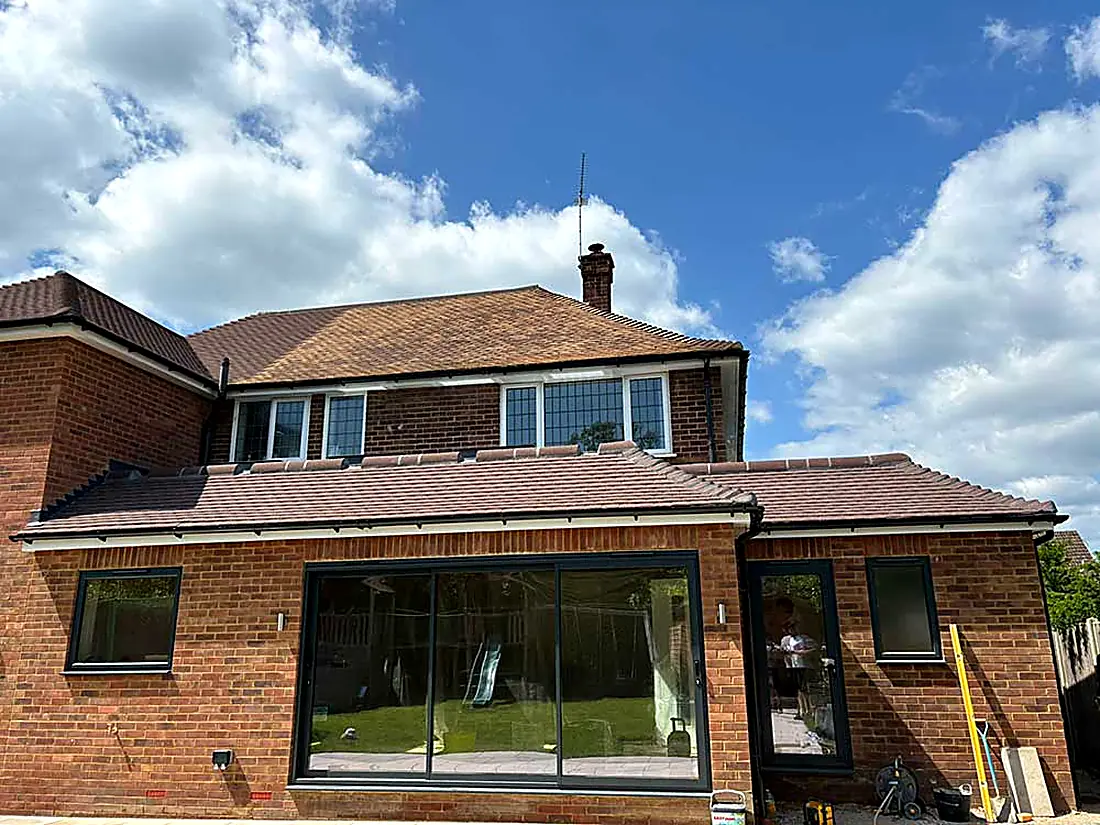
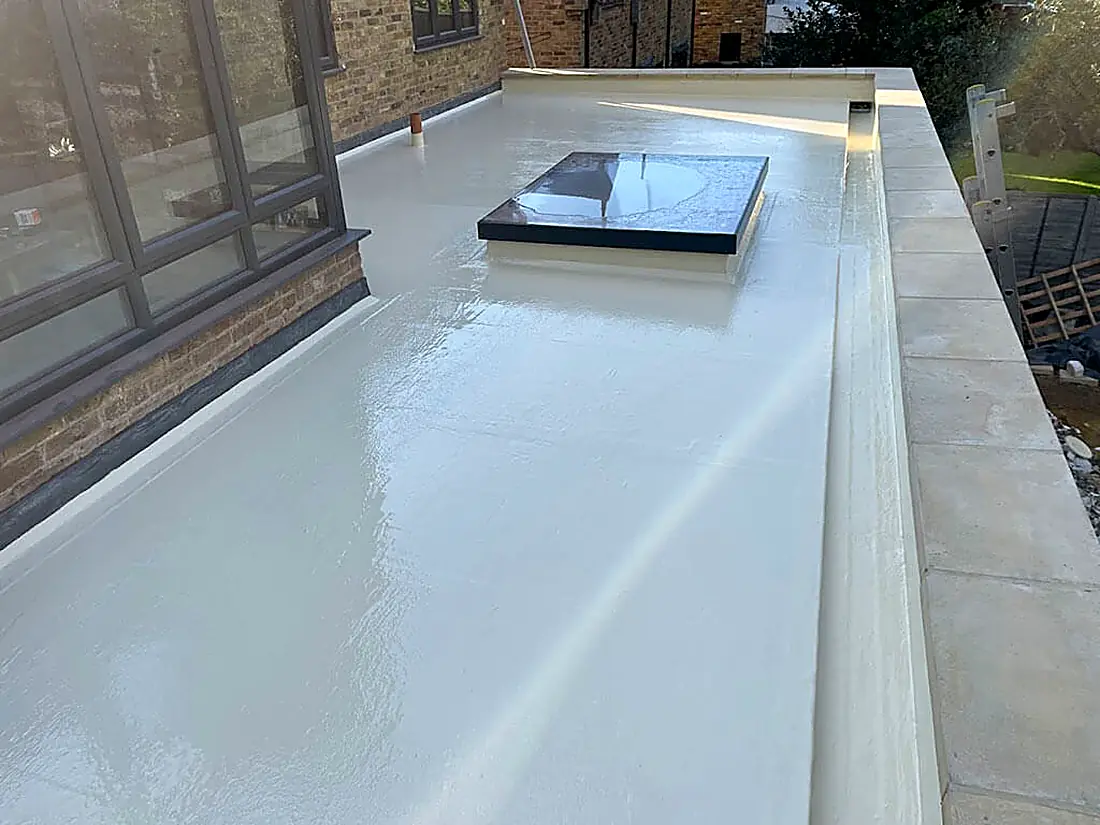
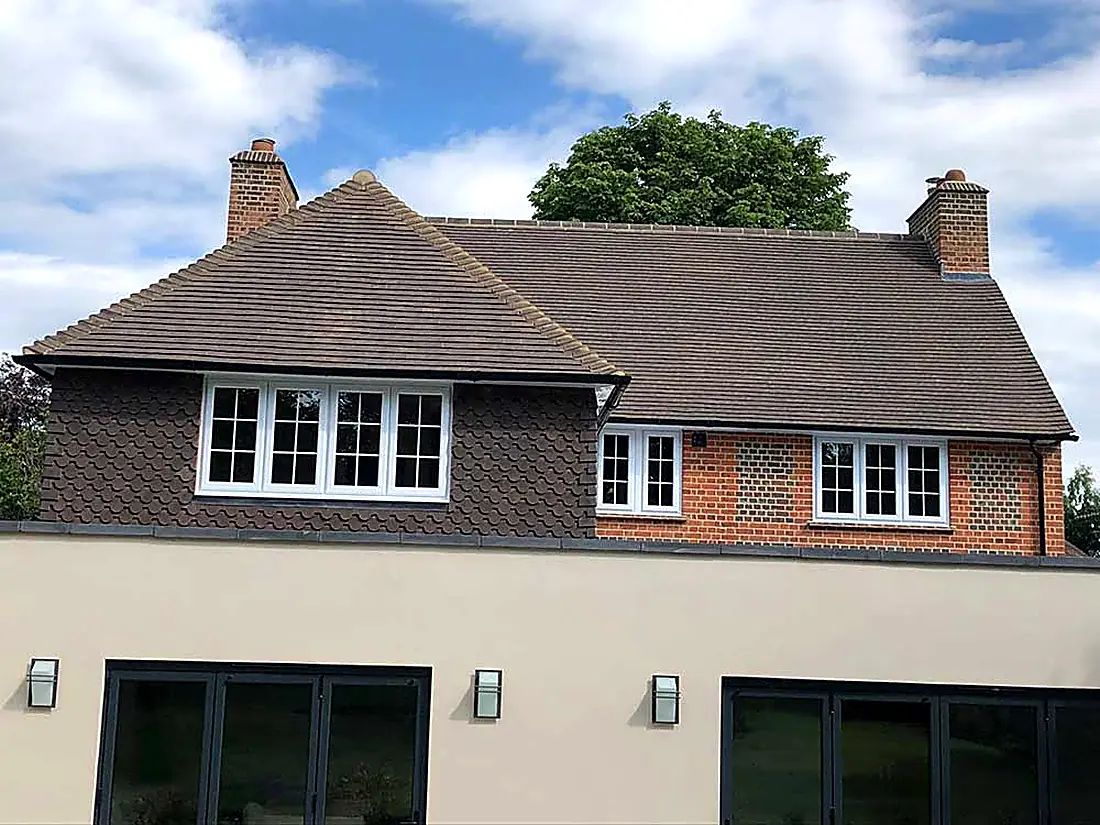
Questions
Common questions
As quickly as we can, and often the same day when water is actively coming into the house. We are on the phone Monday to Friday, 8am to 6pm. If the weather makes a proper repair impossible on the day, we will make the roof safe and watertight first, then come back and finish the job once it is dry enough to do it properly.
No. Estimates are free and there is no obligation to go ahead. We come out, look at the roof, tell you what we believe is causing the problem and give you a price for putting it right. If we think a repair would be throwing good money after bad, we will tell you that as well rather than take the job on.
Because water travels before it drips. It gets in through a gap in the tiling, runs along the top of the felt or down the side of a rafter, and comes through the ceiling wherever it finds a gap. That can be several metres from where it entered the roof. Tracing the leak from inside the loft first is the only reliable way to find the real cause.
Often, yes, for damage caused by a named storm or high winds, though not for wear and tear or for a roof that was already failing. Photograph the damage before anything is moved and keep the written estimate. We can put in writing what we found and what caused it. Always check the terms of your own policy, because cover differs between insurers.
Only if it is causing a problem, and never with a pressure washer. Moss holds damp against the tiles and washes down into the guttering and valleys where it blocks them. Careful hand clearing plus a proper clear out of the gutters is the safe approach. Pressure washing strips the face off concrete tiles and forces water under the laps, turning a cosmetic issue into a leak.
A handful of tiles is a repair, and that is most of the work we do. Replacement only becomes the sensible option when the failures are everywhere rather than in one spot, the felt has torn along the rafters and the battens have gone soft. If we can get you more years out of the roof you already have, that is what we will recommend.
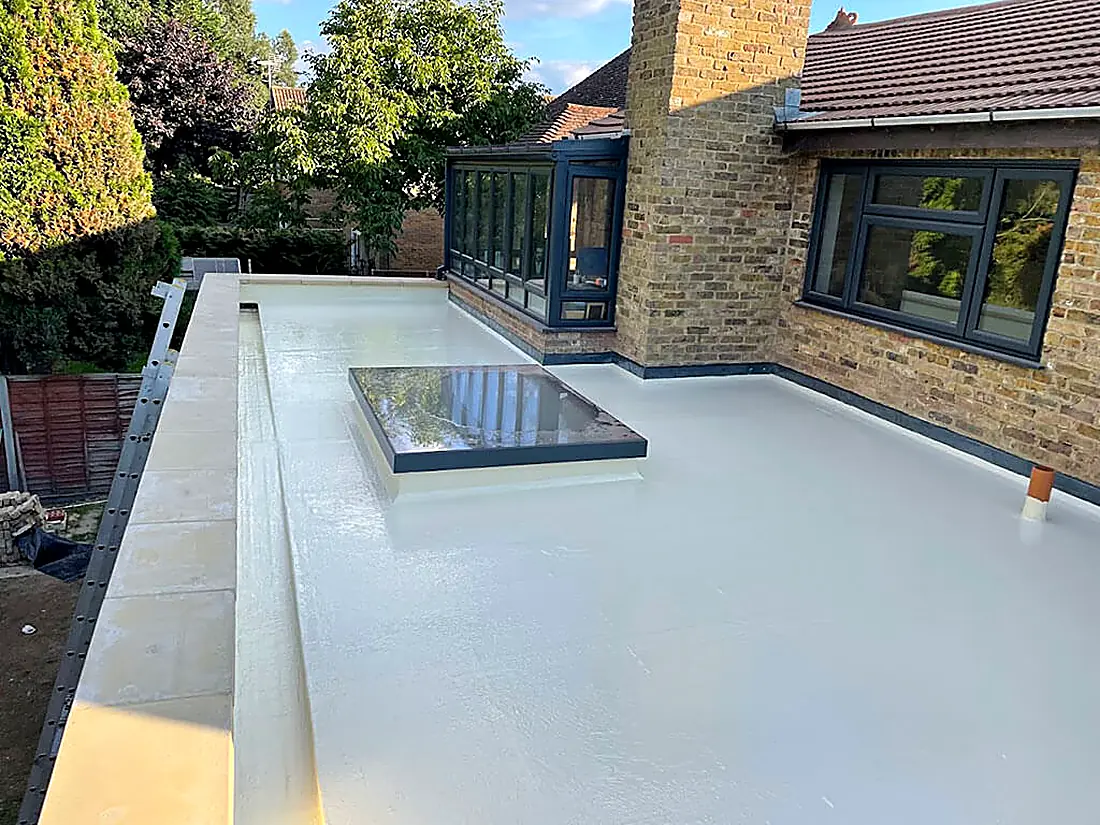
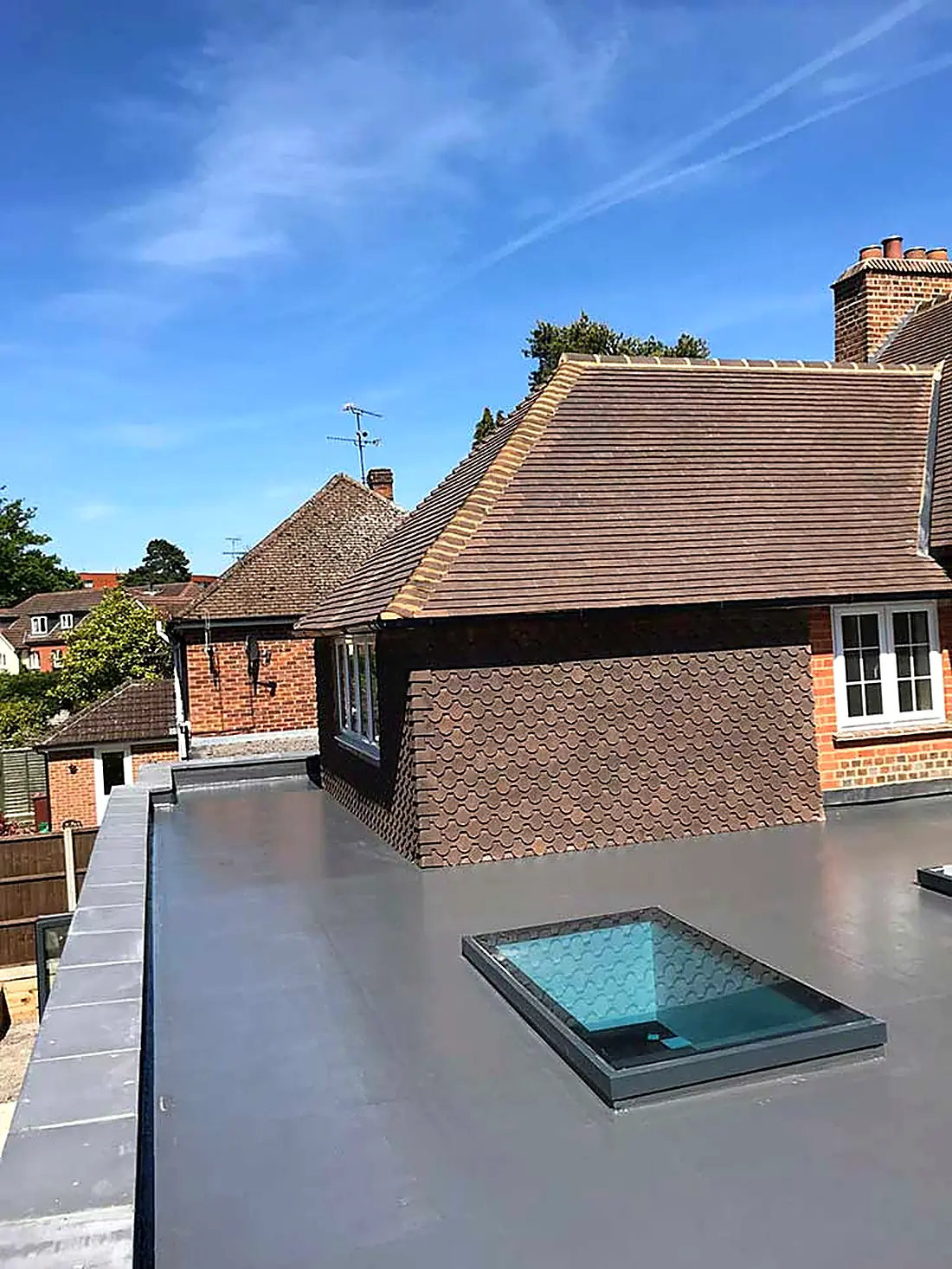
Yes. We repair and replace felt flat roofs, including three layer torch on and traditional pour and roll, and we install fibreglass. We are a Restec trained and approved installer, so a Flexitec or GRProof flat roof can be registered with Restec for their 20 year materials guarantee. Splits, blisters and standing water on a garage or extension roof are everyday jobs for us.
Our other roofing services
If your roof is leaking, do not wait for it to dry out on its own. Call Grant on 01932 690 995 or email grant@gbroofingservices.co.uk for a free estimate. Quality at prices that aren’t through the roof.