

FASCIAS & GUTTERING
Fascias, Soffits and Guttering in Surrey and London
The roofline is the timber and plastic along the edge of your roof, and the guttering fixed to it. When it goes soft, water ends up in the wall instead of the drain. We replace it properly.
Water finds the roofline first
Fascias, soffits and guttering are the parts of a roof nobody looks at until something goes wrong. They sit at the most exposed edge of the building, they carry every drop of water that lands on it, and when they fail they usually do it quietly. GB Roofing fits and repairs roofline across Surrey, Middlesex and London.
What the roofline actually does
The fascia is the board fixed across the ends of the rafters along the bottom edge of the roof. It carries the guttering, and it shields the last row of tiles and the edge of the felt from the weather. The soffit is the flat board underneath that closes the gap between the fascia and the wall. The bargeboard does the same job up the slope at a gable end. Together they seal the roof at its most vulnerable point.
The guttering catches the water coming off the roof and takes it to a downpipe and away from the building. An ordinary semi sheds a surprising amount of water in a storm. If the gutter overflows, or a joint drips, that water runs down the brickwork instead. Wet brickwork is how damp finds its way inside.
Signs your roofline has had it
Roofline failure is slow. Timber fascias were painted, and once the paint cracks, water gets into the board and stays there. From then on the timber rots from behind, so the face can look reasonable while the back has gone completely. Press a screwdriver into the board near a joint. If it sinks in without much effort, that board is finished.
Birds are worth taking seriously. Once a soffit rots through, starlings will get into the roof space and nest, and squirrels are not far behind. Nesting season runs through spring and summer and you cannot disturb an active nest, so the sensible time to get the boards done is before it starts.
- Timber that feels soft or spongy, or flakes away when you press it
- Paint peeling or blistering along the fascias and bargeboards
- Guttering that sags between brackets or has pulled away from the wall
- Water running down the brickwork, green staining, or a damp patch on an upstairs wall
- Birds or wasps getting into the roof space through a gap at the eaves
- Cracked joints, or standing water still sitting in the gutter days after rain
Why we take the old boards off
Every roofline job is really about what is behind the board. With the fascia off we can see the feet of the rafters, the last row of battens and the edge of the felt. That is where the problems hide. Rafter ends soften first because they sit directly under the gutter, and eaves felt is very often torn, or was cut short, so water runs down behind the gutter rather than into it. Fitting an eaves tray while everything is open is a small job. Finding out about it two winters later is not.
One trade, one visit
Roofline work overlaps with the roof itself, which is why it makes sense to have a roofer do it rather than a separate firm. If tiles need lifting at the eaves, if the felt needs dressing into a new gutter, if there is leadwork at an abutment that wants attention, we are already there with the access set up. If you are having roof work done anyway, this is the moment to sort the roofline as well. The scaffolding is up and paid for.
Free estimates and a full guarantee
We come and look, measure the runs, tell you what we would do and give you a written estimate at no charge and with no obligation. Every new project we take on is backed by a full guarantee. Grant will happily tell you the boards are fine and only the guttering needs sorting, because there is no sense in selling you a full roofline you do not need yet.
SIGNS OF FAILURE
What a roofline looks like when it has had enough
Roofline fails slowly and quietly, so here is what to look for from the garden or from an upstairs window across the road.
Once the paint cracks, water gets into the board and stays there, so the timber rots from behind while the face still looks reasonable. Press a screwdriver into the board near a joint. If it sinks in easily, that board is finished.
Either the brackets are too far apart, or they are screwed into a fascia that has already gone soft, or the run has too little fall and silt sits in the bottom. A blocked outlet does the same thing in one place. New guttering hung on the same board sags again within a couple of years.
That is normally torn or short eaves felt rather than the guttering. Rain comes off the tiles and lands behind the run instead of in it. An eaves tray puts it right, and fitting one is a small job while the fascia is off.
A soffit has rotted through and starlings have found the roof space. Squirrels tend to follow. Nesting season runs through spring and summer and an active nest cannot be disturbed, so the boards are best done before it starts.
Look along the line where the soffit meets the wall. A dark shadow line, a board sitting lower than the one next to it, or a gap where two lengths butt together all say the same thing. Either the timber behind has rotted or the fixings have rusted out, and once there is a gap the wind drives rain straight into the eaves.
Run your hand along the underside of the new soffit. If there is no slot, no round vent disc and no gap anywhere along it, the roof space has been sealed up tight and the moist air from the house has nowhere to go. That is the first thing to check, before anyone starts talking about the felt or the insulation.
Capping over or full replacement
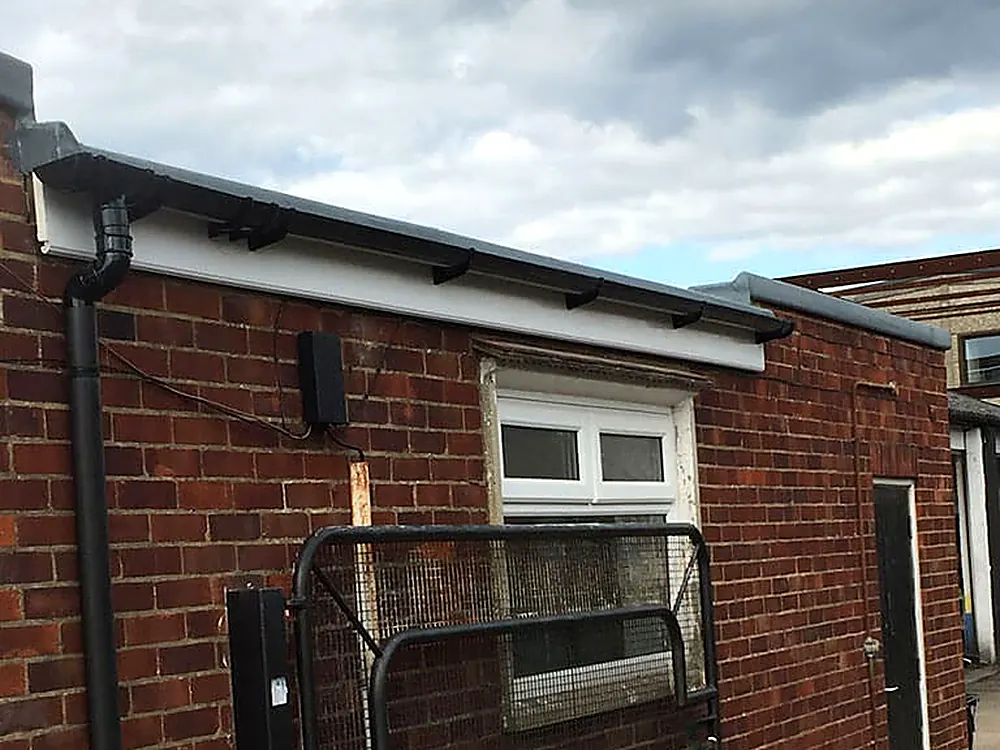
Capping over means leaving the old timber where it is and screwing a thin uPVC cover board over the face of it. It is quicker and cheaper, and it is why some quotes come in so far below others. It is worth knowing what you are buying.
The old timber is still there. If it was damp, it is now damp with a plastic cover holding the moisture in, and anything rotten carries on rotting out of sight. The cover board is fixed into soft wood, so it has very little to grip. The guttering is still hanging off the original fascia, which is the part that failed in the first place. It looks new for a while.
Full replacement means the old fascias, soffits and bargeboards come off completely. We can then see the rafter feet and the edge of the roof, put right anything that needs attention while it is open, and fix new uPVC to sound timber. That is what we recommend, and on a house where the roofline has been left for years it is usually the only sensible way to do it.
uPVC fascias and soffits
uPVC is what almost everybody fits now, for the good reason that it does not rot and never needs painting. A wash down once or twice a year keeps it looking right. It comes in white, black, grey and woodgrain finishes such as rosewood and light oak, so it can be matched to your windows or to the rest of the street.
How it is fitted matters more than the material. Boards want fixing into solid timber with the correct fixings, joints need proper trims rather than being butted together and hoped for, and the whole line has to be straight, because a gutter hung on a wavy fascia will never drain the way it should. We take the old boards away with us and leave the ground clear.
Guttering sizes, falls and downpipes
Gutter comes in different sizes and profiles, and the size should suit the roof above it. The usual domestic half round at 112mm is fine for most houses. A large roof, a long unbroken run, or a steep slope that throws water off fast may need a deeper or a square line profile with more capacity. Undersized guttering will overflow in heavy rain however clean you keep it.
The fall is the slope along the run towards the outlet. Too little and water sits in the gutter and silt builds up. Too much and it looks wrong and shoots past the outlet. It wants a gentle, even fall, with brackets close enough together that the run cannot sag between them. Most of the sagging gutters we are called to come down to brackets spaced too far apart, or screwed into a fascia that had already gone soft.
- 112mm half round, the usual domestic size
- Deeper and square line profiles where a roof sheds more water
- 68mm round or 65mm square downpipes into a gully or a soakaway
- An extra outlet and downpipe where a run is too long for one
- Leaf guards where there are trees overhead
Ventilation at the eaves
A roof needs air moving through it. Warm damp air rises out of the house into the loft, and if it cannot escape it condenses on the underside of the roof, drips onto the insulation and rots the timber. The way in for that air is at the eaves, through the soffit, and the way out is at the ridge.
Older roofs relied on gaps and draughts to do this by accident. Seal up an old roofline tight with new boards and no ventilators, and people sometimes find they have a wet loft the following winter. We fit continuous soffit vents or vent discs as part of the job, and we will check what is happening at the ridge while we are up there.
Clear the gutters before winter, not after
Most of the guttering we get called out to in January was already blocked in October. Leaves, moss washed down off the roof and grit off the tiles collect at the outlet, water backs up over the front edge, and in a cold snap the standing water freezes and pushes the joints apart. A clear out in the autumn takes very little time. A split gutter dripping over your front door in February is a different conversation.
How we work
Four steps, and no surprises
The same run of events on every job, whether it is one tile or a whole roof.
Ring or email
Tell us what you have noticed. Grant can usually tell from a description whether it is a morning’s work or something bigger, and he will say so.
We come and look properly
We get up on the roof rather than guessing from the drive, and photograph anything you cannot see for yourself.
A written price
Set out clearly, so you can compare it fairly against another quote. Free, and no obligation to go ahead.
Booked in and cleared up
We hold the date as far as the weather allows, sheet up, and the rubbish leaves with us at the end of it.
Gallery
Work we have finished
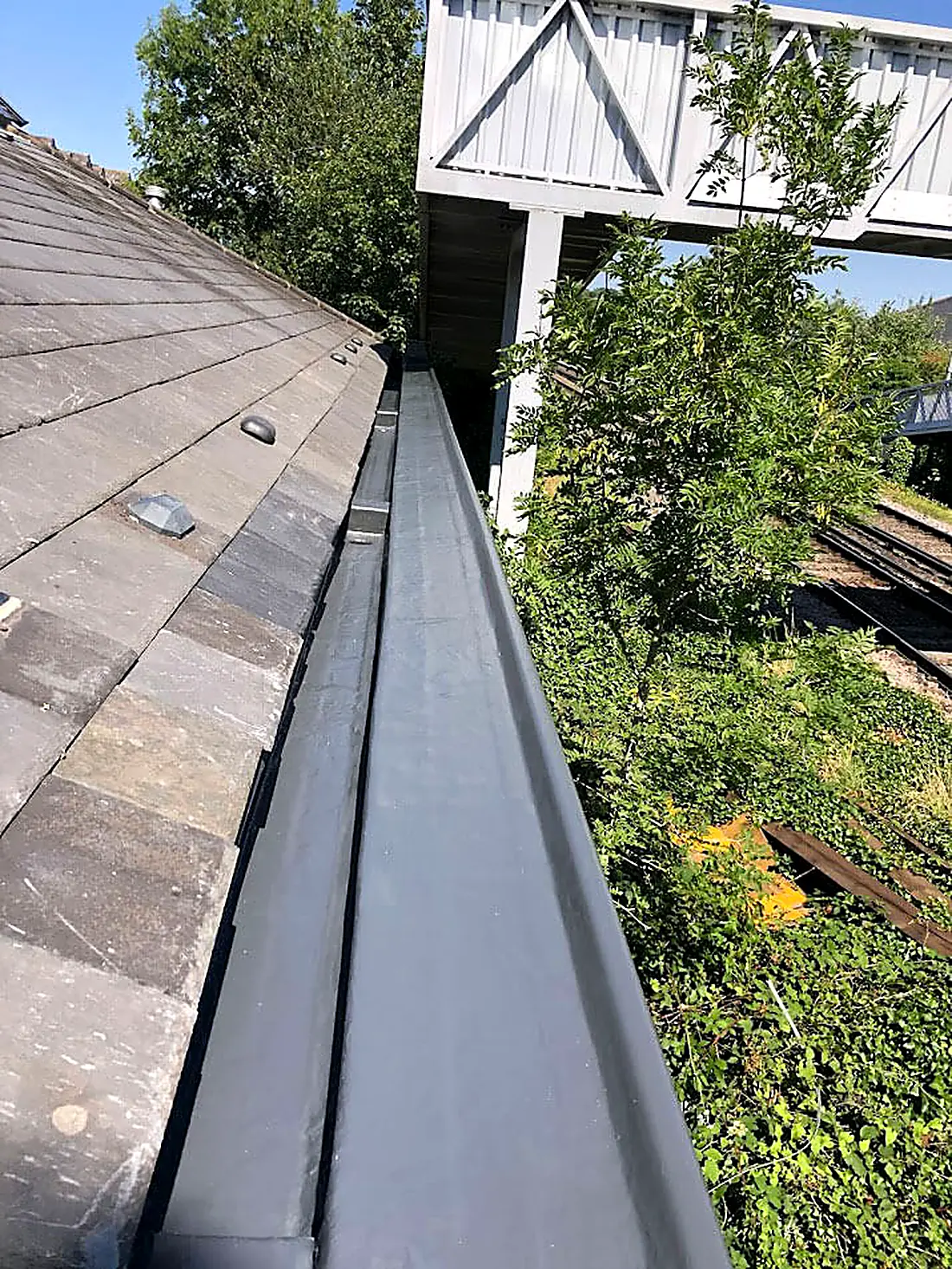
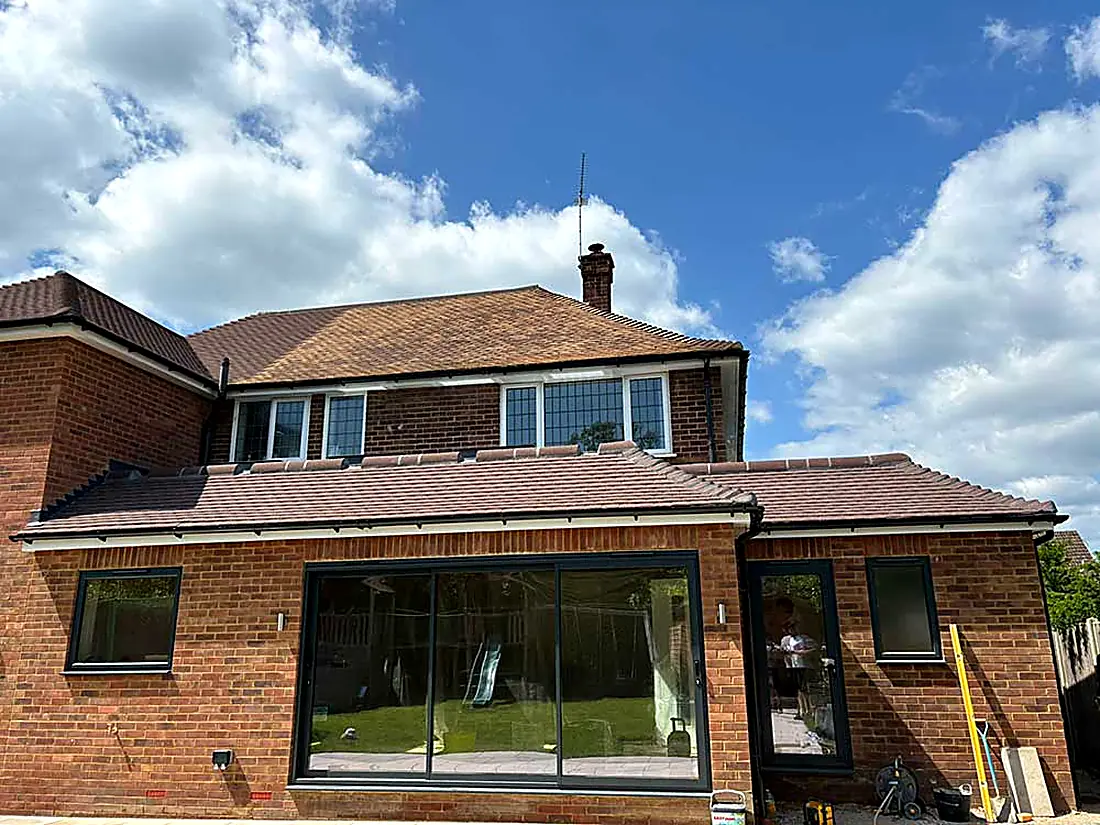
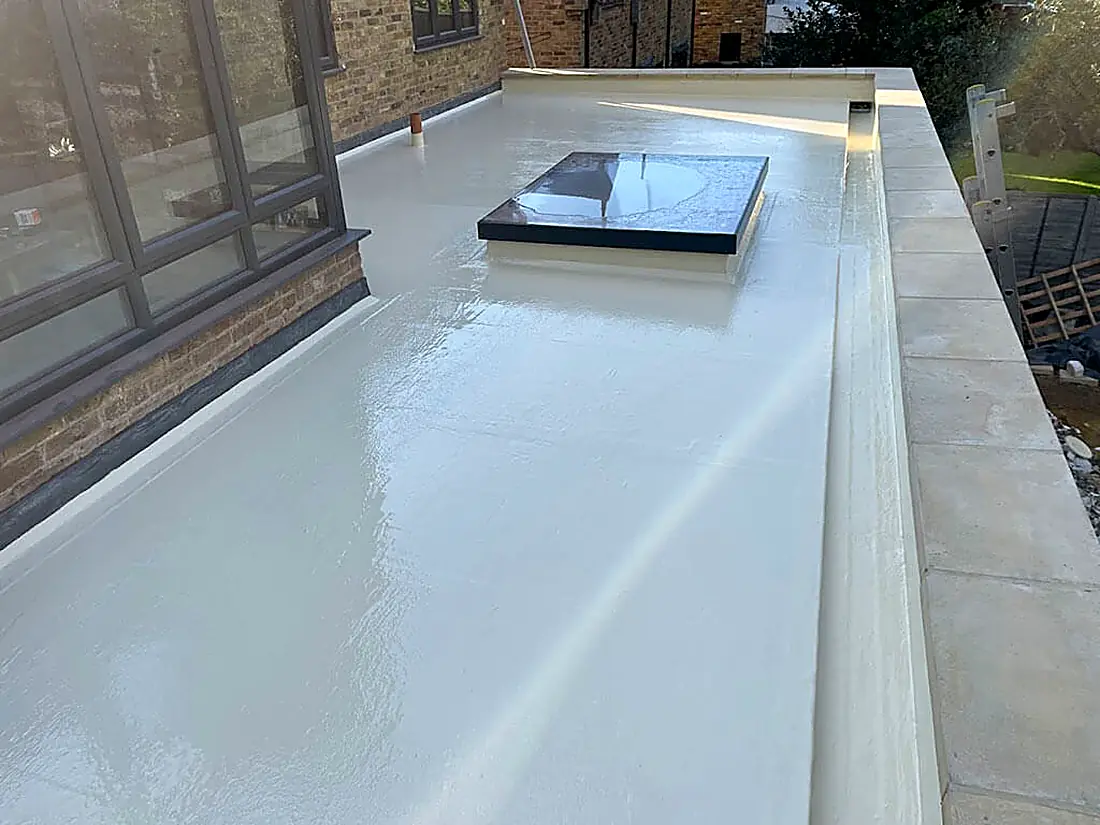
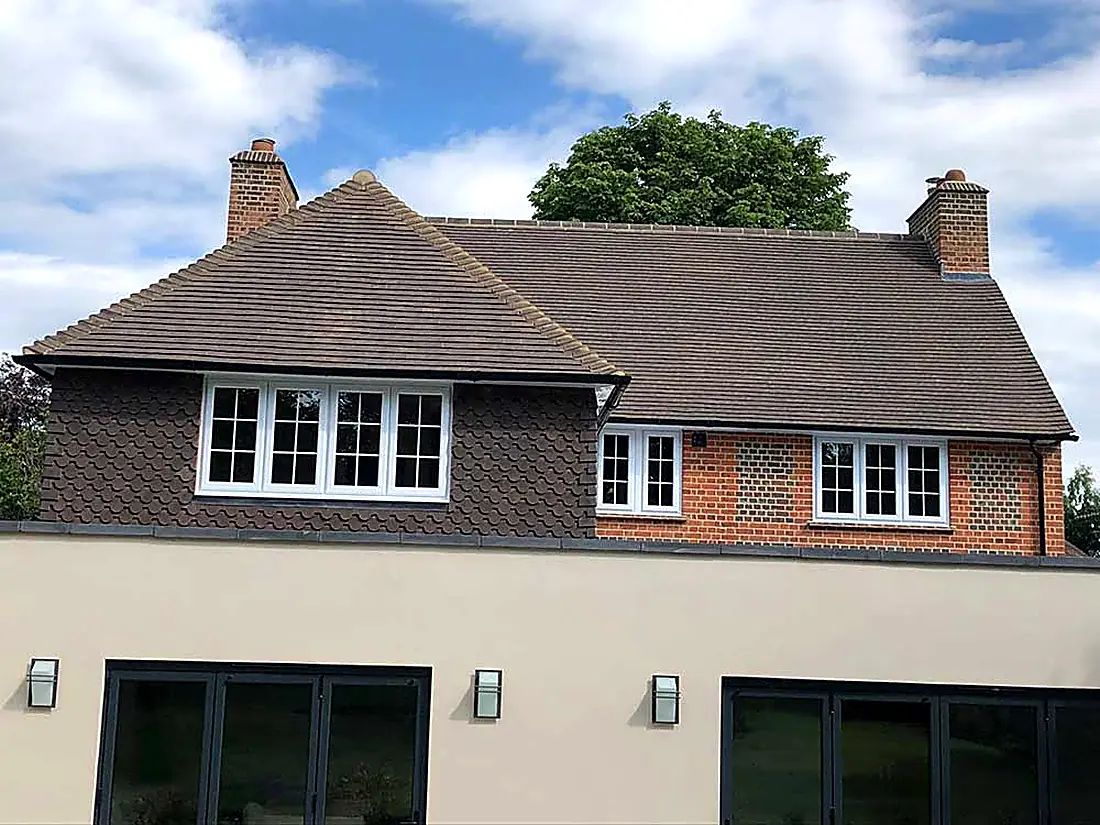
Questions
Common questions
Good quality uPVC roofline will normally last well over twenty years, and often a good deal longer, because there is nothing in it to rot. What shortens its life is the way it was fitted rather than the plastic itself. Boards screwed into soft timber work loose, and joints left without trims open up as the plastic expands and contracts through the seasons. Fitted onto sound timber it needs nothing but an occasional wash.
It is usually a false economy. Capping leaves the original timber in place with a thin uPVC cover screwed over the front, so any rot carries on underneath where nobody can see it, and the new board has only soft wood to fix into. It also means nobody has looked at the rafter ends or the felt at the eaves. Full replacement costs more on the day and less over ten years.
Yes, as long as the fascia behind it is sound. Plenty of jobs are exactly that: new brackets, a new run of gutter and a fresh downpipe on a board that is still solid. We check by taking the old gutter off and testing the timber behind it. If the fascia has gone soft there is nothing for a bracket to bite into, and new guttering hung on it will sag again within a couple of years.
Usually because of the fall, the size, or a joint that has dropped. If a run sags between brackets, water pools at the low point and comes over the front in heavy rain. If the gutter is undersized for the roof above, or a long run has only one outlet, it simply cannot carry the volume. Water appearing behind the gutter rather than over the front is normally torn or short eaves felt instead.
Almost always, yes. A loft needs air moving through it to carry away the moisture rising out of the house, and the soffit is where that air comes in. Sealing an old roofline up tight with no vents fitted is a common cause of condensation, damp insulation and rotting rafters the following winter. We fit continuous soffit vents or vent discs as part of the work rather than treating it as an extra.
On a typical house it is usually a two or three day job, and sometimes a single day on a bungalow or one elevation. The things that change it are access, the number of storeys and how much of the timber behind the boards needs putting right. We will tell you at the estimate stage what we expect to find. If something turns up once the old boards are off, we will show you before we do anything about it.
We work throughout Surrey, Middlesex and London, including Addlestone, Cobham, Weybridge, West Byfleet, Oxshott, Chertsey, Esher, Woking, Lightwater and Bagshot. Our hours are Monday to Friday, 8am to 6pm, and estimates are free with no obligation. If your fascias, soffits or guttering need looking at, it is far better to have them seen before the winter than during it.
Our other roofing services
If the boards are soft, the gutter is dripping or you can see water on the brickwork, get it looked at before the weather turns. Call Grant on 01932 690 995 or email grant@gbroofingservices.co.uk for a free, no obligation estimate.