

LEADWORK
Leadwork Roofing in Surrey, Middlesex and London
Flashings, soakers, valley gutters, dormers and bay roofs, dressed in the right code of lead and fixed so it can move. Leadwork across Surrey, Middlesex and London, on old houses and new.
Lead outlasts everything fitted around it
Lead is the oldest material on your roof and still the best at what it does. It seals the awkward joints, the places where a roof meets a wall, a chimney, a dormer or a bay. Fitted properly it will outlast the tiles around it. Fitted badly it splits within a couple of winters and puts water straight into the house.
Where lead does the work on a roof
Every roof has joints that tiles and slates on their own cannot close. Lead is what closes them. It is soft enough to be worked into any shape by hand, heavy enough to stay where it is put, and it lasts for decades without being touched.
On a typical house you will find lead in more places than you might expect.
- Chimney stacks: front apron, side soakers, stepped cover flashings and a back gutter
- Abutments, where an extension or bay roof runs into a wall
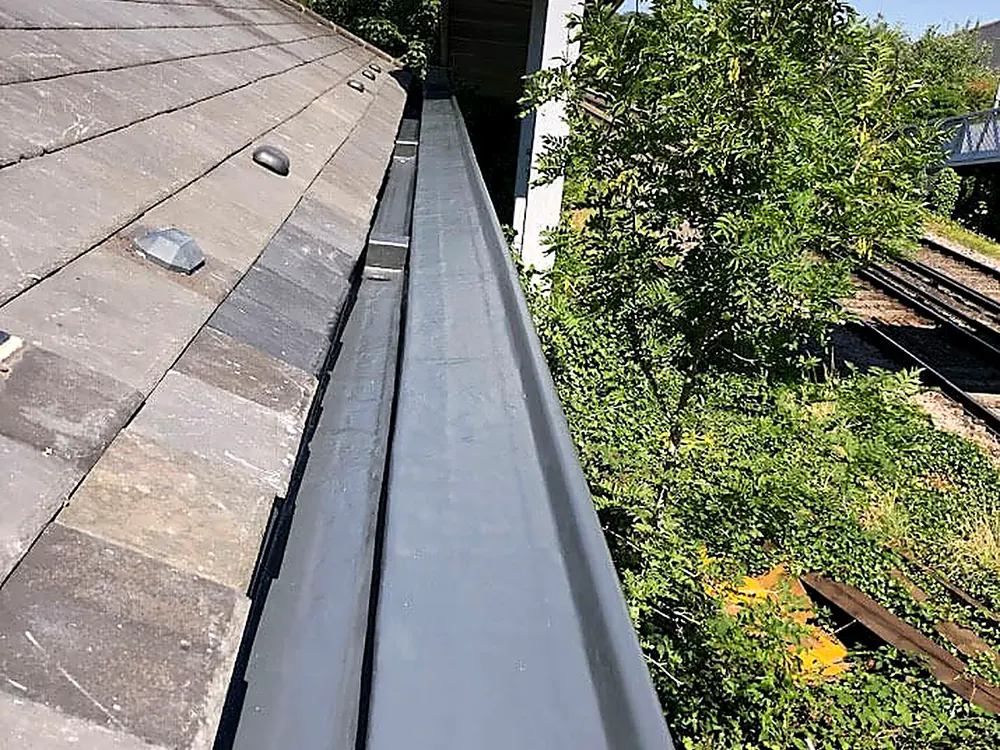
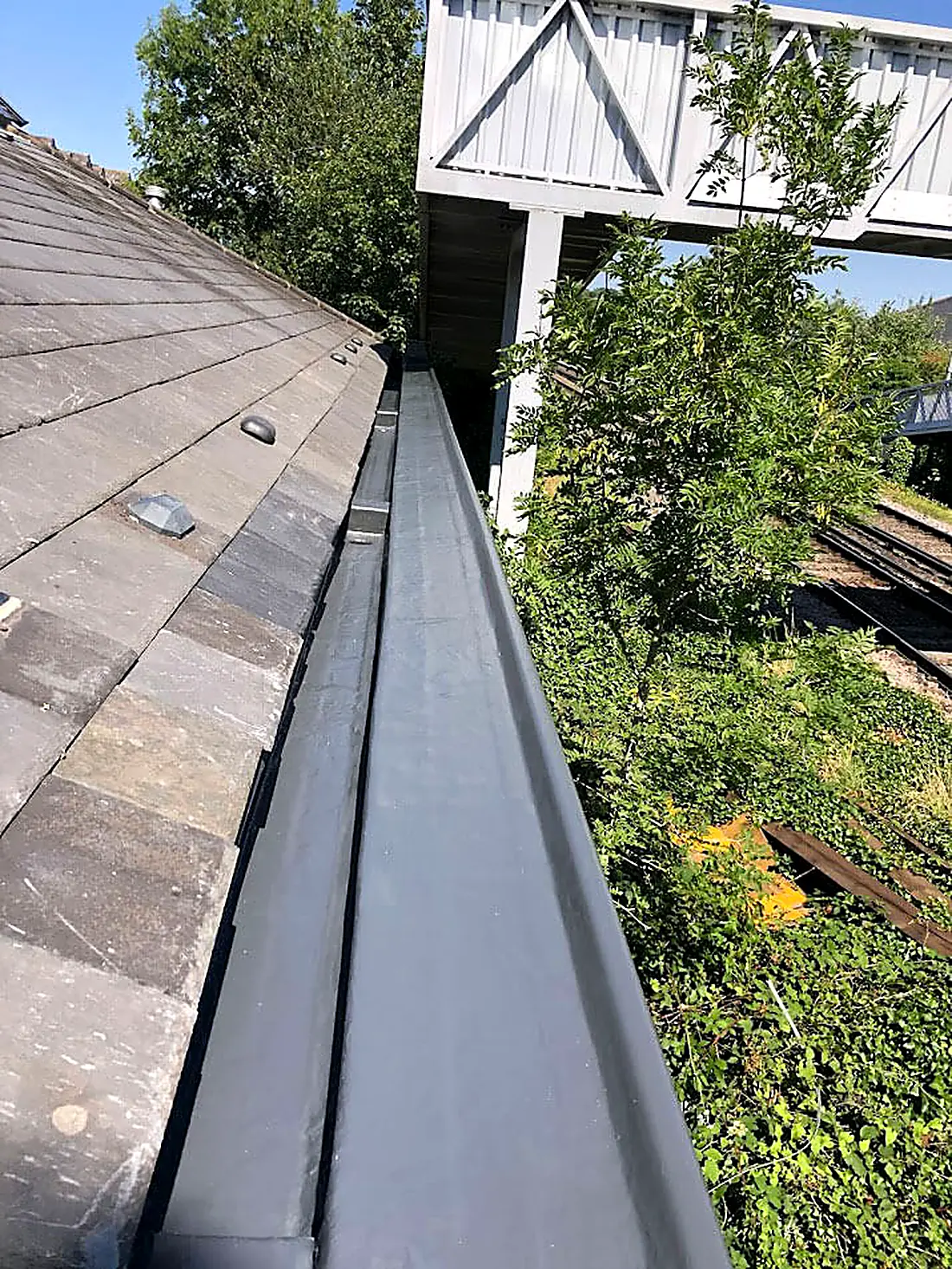
- Valleys, where two roof slopes meet
- Dormer cheeks, tops and front aprons
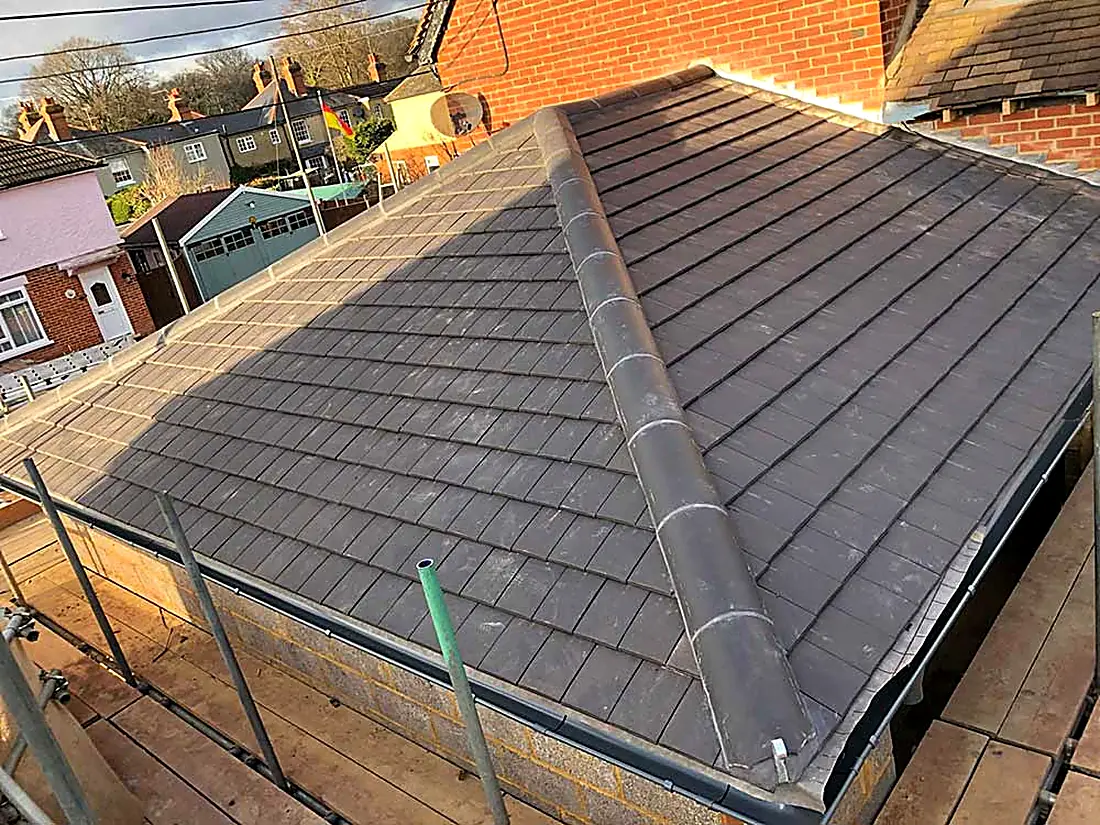
- Bay and porch roofs, laid as lead sheet with rolls and welted joints
- Parapet and box gutters behind walls
- Around soil pipes, vents and rooflights
Lead codes, and why thickness matters
Lead sheet is sold in codes, numbered 3 to 8. The number comes from the old imperial weight in pounds per square foot, and every roll is colour marked so there is no argument about what has gone on your roof. Code 3 is about 1.32mm thick, Code 4 is 1.80mm, Code 5 is 2.24mm, Code 6 is 2.65mm, Code 7 is 3.15mm and Code 8 is 3.55mm.
Thickness matters because lead moves. It expands in the sun and shrinks as it cools, every day of its life. Thin lead in a long sheet stretches, thins at the fold and eventually cracks along the line where it has been working hardest. Heavier lead in a shorter piece takes the same movement and shrugs it off.
The quickest way for a roofer to save money on a job is to drop a code. You will not see it from the ground on the day. You will see it in about three years.
- Code 3: soakers only
- Code 4: soakers, small flashings and simple aprons
- Code 5: cover flashings, chimney work, valleys and most general roofing
- Code 6 and heavier: valley gutters, box and parapet gutters, dormer tops, bay roofs and anything that gets walked on
Patination oil and the white staining
New lead reacts with the air and forms a white carbonate on the surface. It does the lead no harm, but in the first few months it washes off in the rain and runs down whatever sits below, staining tiles, brick and render with chalky white streaks that are a nuisance to remove. Patination oil is wiped onto clean, dry lead as soon as it is fitted. It holds off that first flush of staining and lets the lead weather down to its natural grey. It takes ten minutes and it is the difference between a tidy job and a phone call two months later.
Can it be repaired, or does it need replacing?
Not every bit of tired lead needs ripping out. A single split in an otherwise sound flashing can be lead welded. A flashing that has dropped out of its chase can be raked, wedged again and pointed. Where the lead is the wrong code for the job, or the pieces are too long, or the same crack has already been patched twice, replacing that section costs less over five years than going back to it. We will tell you which one you are looking at, and we will tell you if it can wait.
Free estimates, and every job guaranteed
We give free estimates with no obligation, and every new project we take on is backed by a full guarantee. Most of the leadwork we quote for is on houses in Addlestone, Weybridge, Cobham, Woking, Esher, Chertsey, West Byfleet, Oxshott, Lightwater and Bagshot, so we are rarely far away. Quality at prices that aren’t through the roof.
Flashings, soakers and step and cover
Where a pitched roof runs against a wall or a chimney, the proper job is two parts, not one. Soakers are small pieces of lead, one for each course of tiles or slates, folded into an L and tucked up the wall and under the tile. They do the actual waterproofing, and once the roof is finished you never see them.
Over the top goes the cover flashing. On a sloping abutment it is cut in steps to follow the mortar courses, which is where the phrase step and cover comes from. The top edge is chased at least 25mm into a mortar joint, wedged with lead clips and pointed in. The bottom edge is dressed down over the tiles so water runs out, not behind.
There are rules worth knowing as a homeowner. No single piece of flashing should be much longer than 1.5 metres, and each piece should lap the next by at least 100mm. Anyone running a four metre strip of lead in one length along your extension has built you a leak.
Valley gutters, dormers and bay roofs
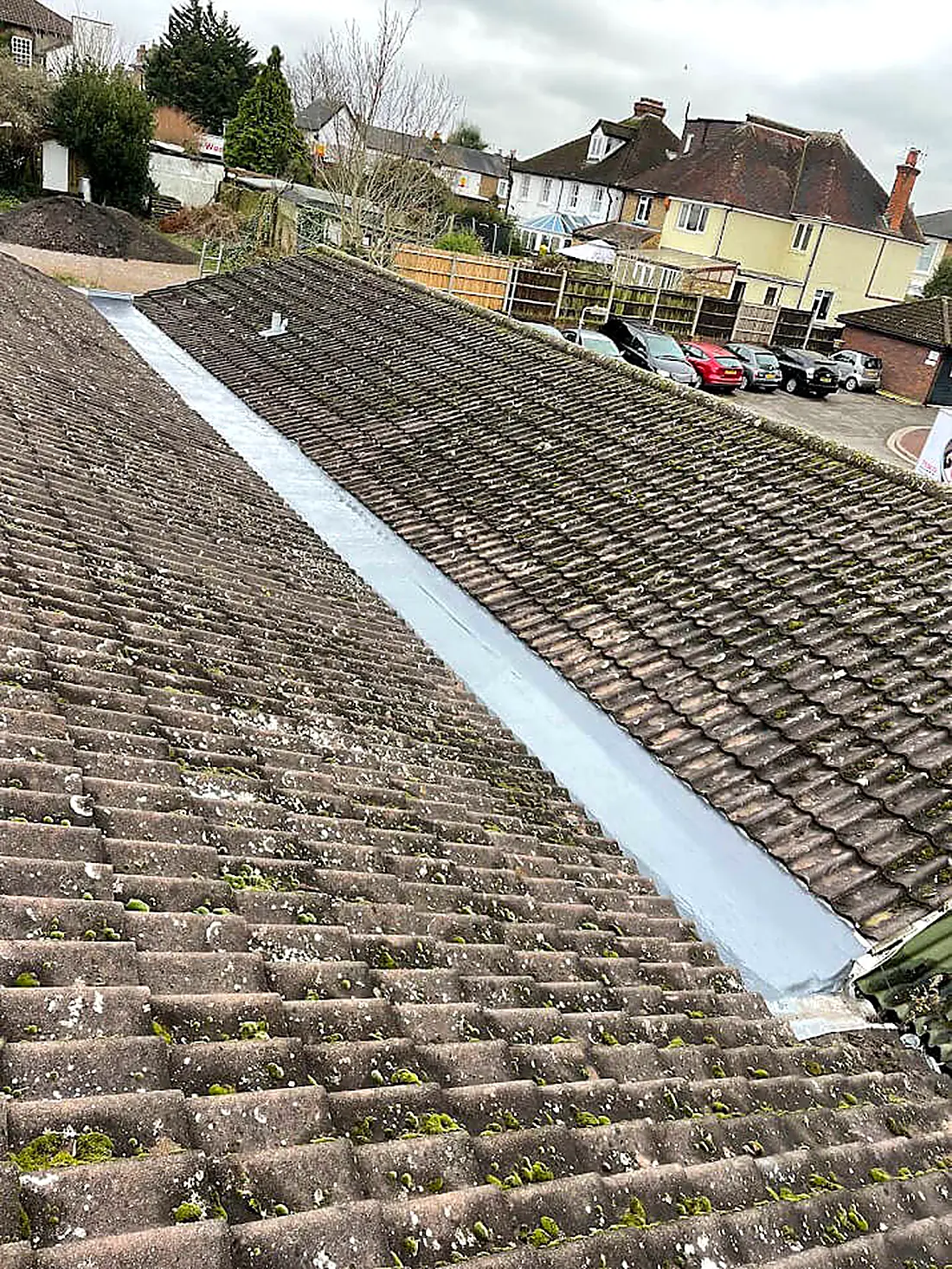
A valley is the trough where two roof slopes meet, and it carries far more water than people imagine. Lead valleys are lined in short lengths with generous laps and, on a long or shallow run, tilting fillets and steps to break the length up. Get the lengths wrong and the lead creeps down the slope and tears at the top end.
Dormer windows need lead on the cheeks, the top and usually a front apron. The cheeks tend to fail first because they stand vertical, catch the sun and get the least attention. Bay roofs and small porch roofs are laid as lead sheet, with wood cored rolls across the fall and welted or lapped joints down it, never flat soldered seams that cannot move.
All of it is dressed and bossed by hand. Corners are worked into shape with a dresser and a bossing stick, or lead welded where bossing would stretch the sheet too thin. That is the part that separates a roofer who does leadwork from one who simply owns some lead.
Why mortar fillets fail and lead does not
A mortar fillet is a triangle of sand and cement smeared into the joint between a roof and a wall or chimney instead of lead. It is quick, it is cheap and it always cracks.
The reason is simple. The roof moves and the wall does not, and mortar has no give in it whatsoever. Add frost and the crack opens a little further every winter. From the ground the fillet still looks solid, so the leak underneath gets blamed on the tiles for a couple of years before anybody looks properly.
Lead does the same job and moves with the building. That is the whole point of it. Where we find a cracked fillet we cut it out, rake the joint back, and fit soakers and a stepped cover flashing in its place.
How badly fitted lead splits
Almost every split we see comes from the same short list of mistakes.
- Sheets too long, so all the movement concentrates in one spot until the lead tears
- Both ends fixed solid, leaving the lead nowhere to go
- Too thin a code for the size of the piece
- No clips on the free edges, so wind lifts and works the lead
- Lead laid straight onto rough concrete or old mortar with no underlay to let it slide
- A flashing tucked 5mm into a joint and pointed over, which drops out within a season
Lead theft and the alternatives
Lead has a scrap value and that makes it a target. Church roofs and large flat lead areas get hit most often, but a bay roof on a quiet road is not immune. If your property has lost lead before, or the lead sits somewhere reachable from a garage roof or a low wall, it is worth talking about alternatives before you replace like for like.
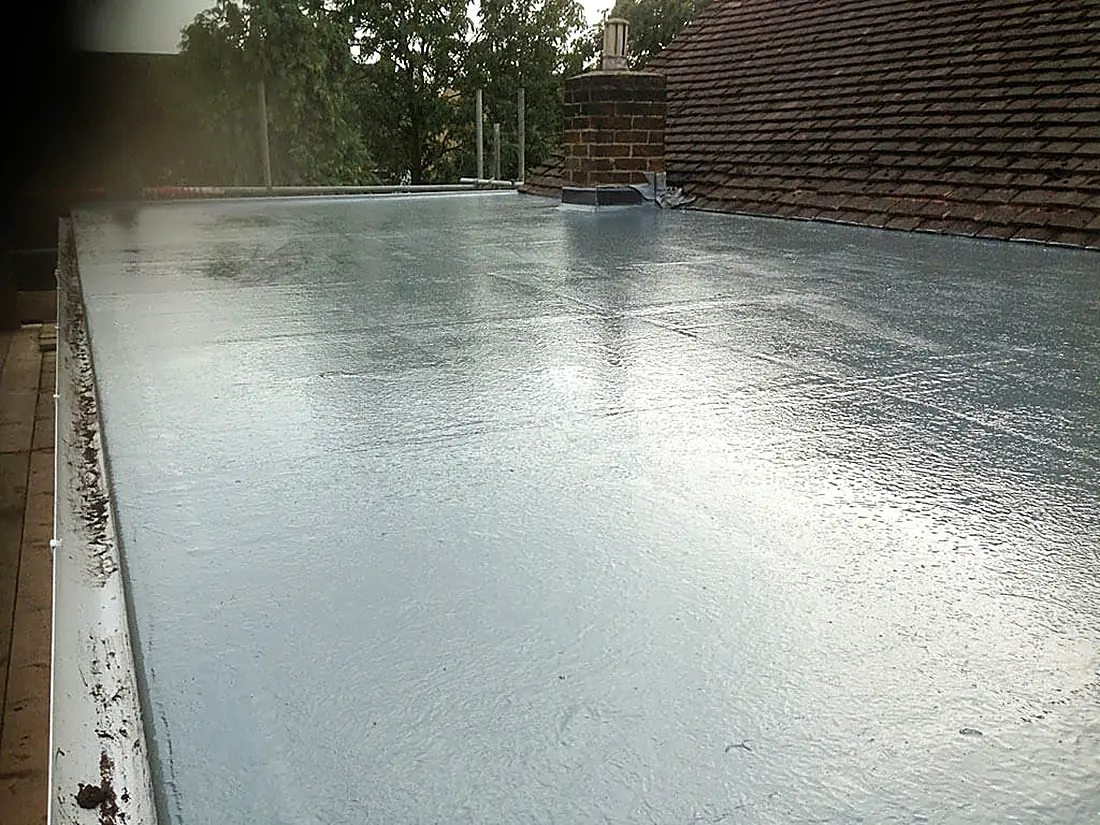
There are flashing materials made without any lead in them. They come on a roll, stretch to shape and have no scrap value at all, which makes them a sensible choice for low level flashings, garage abutments and anywhere a thief can reach without a ladder. Some valleys are better served by a GRP or metal trough than a lead one.
Everywhere else, lead is still the right material. Where we fit it in an exposed position we can fix it so it cannot simply be rolled up and carried off, and forensic marking kits are available if your insurer asks for them.
Tired leadwork, and what it looks like
A clean straight crack along a flashing or across a valley. A chalky white streak running down brickwork under newer lead. A mortar fillet with a gap you could post a coin into. A lead valley with a wave or a ripple in it. A flashing edge lifted away from the wall so you can see behind it. Any of those means water is either getting in already or about to, and none of them get better on their own.
How we work
Four steps, and no surprises
The same run of events on every job, whether it is one tile or a whole roof.
Ring or email
Tell us what you have noticed. Grant can usually tell from a description whether it is a morning’s work or something bigger, and he will say so.
We come and look properly
We get up on the roof rather than guessing from the drive, and photograph anything you cannot see for yourself.
A written price
Set out clearly, so you can compare it fairly against another quote. Free, and no obligation to go ahead.
Booked in and cleared up
We hold the date as far as the weather allows, sheet up, and the rubbish leaves with us at the end of it.
FOUR RULES
Four things that decide whether leadwork lasts
Lead fails for the same short list of reasons every time, and all four are worth asking about on any quote you are given.
- The right code for the job. Lead sheet runs from Code 3 to Code 8 and every roll is colour marked, so what went on your roof is checkable. Code 3 is the lightest and only really suits soakers. Code 4 is the usual minimum for flashings, Code 5 the normal choice for chimney and abutment cover flashings, and Code 6 or heavier where a valley or gutter carries water or gets walked on.
- Short pieces, not long runs. Lead expands in the sun and shrinks as it cools, every day of its life. No single piece of flashing should be much longer than 1.5 metres, because a long strip stretches, thins at the fold and cracks along the line where it has been working hardest.
- Proper laps between the pieces. Each piece should lap the next by at least 100mm, so water crosses the joint on the surface and never gets behind it. It is one of the cheapest details on the roof and one of the first to be skimped on a low price.
- Chased in and wedged, never stuck on. The top edge belongs at least 25mm into a raked mortar joint, held with lead clips and pointed in. A bead of mastic across the brickwork is not a fixing, and neither is a sand and cement fillet, which cracks because mortar has no give in it.
Gallery
Work we have finished
Questions
Common questions
Code 4 is the usual minimum for flashings, and Code 5 is the normal choice for chimney and abutment cover flashings. Valleys, box gutters, dormer tops and bay roofs want Code 6 or heavier, because the pieces are larger and some of them get walked on. Code 3 is only ever used for soakers. Every code is colour marked on the roll, so what has been fitted on your roof is checkable.
Properly fitted lead flashing lasts 60 years or more, which is longer than most of the tiles around it. Badly fitted lead can split within two or three winters. The difference is almost never the material itself. It is the code that was used, the length of each piece, whether the lead was left free to expand and contract, and whether the top edge was chased deep enough into the mortar joint and wedged.
The three usual causes are a split in the lead, a top edge that has worked its way out of the mortar joint, and a piece that was fitted far too long in the first place. Lead moves every day as it warms and cools. If a sheet runs much over 1.5 metres, or is fixed solid at both ends, that movement has to go somewhere and the lead tears. Cracked pointing above the flashing also lets water in behind it.
Patination oil is a thin oil wiped onto new lead as soon as it has been fitted, and yes, you want it. Without it, fresh lead forms a white surface carbonate that washes off in the first few rains and runs down the tiles, brickwork or render below, leaving chalky streaks that are hard to shift. The oil holds that first reaction off until the lead has weathered to its normal grey.
Often, yes. A single split in otherwise sound lead can be lead welded, and a flashing that has dropped out of its chase can be raked out, wedged again and pointed in. Replacement makes more sense when the lead is too thin a code for the job, the pieces are too long, or the same crack has already been patched before. We will tell you honestly which of the two you are dealing with.
Yes. Flashing materials made without lead come on a roll, stretch to shape and have no scrap value, which makes them worth considering where theft is a risk or on low level abutments a thief can reach. Some valleys work better in GRP or a metal trough. For chimneys, dormers and anything visible on a period house, lead is still what we would fit, because it lasts longer and looks right.
For most leadwork at roof level, yes. Chimney flashings, valleys, dormer cheeks and anything at second storey level need a proper scaffold, because lead has to be dressed and bossed with both hands free. Lower work is different. A bay roof or a garage abutment can often be reached safely from a tower or a ladder. We price the access as part of the estimate rather than adding it on afterwards.
Our other roofing services
Cracked flashing, a split valley or a mortar fillet that has finally given up, we can put it right. Call Grant on 01932 690 995 or email grant@gbroofingservices.co.uk for a free estimate and honest advice about what needs doing.